

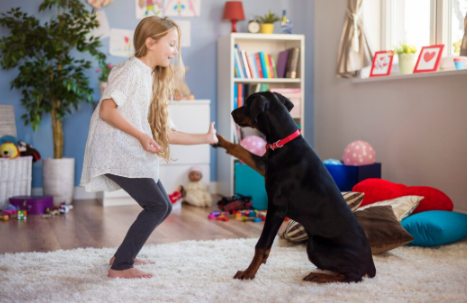

A well-trained dog can make life calm and fun. Good habits help your dog stay safe and feel at ease. But not all training classes give the same care. Some may rush the work or use poor ways. If you want the best for your pet, you need to pick the right class. A good class will guide both you and your dog with care and skill. Here are some key things to check when you choose a training class for your furry friend.
1. Dog Trainer’s Experience
The first thing to look at is the skill of the dog trainer. A good coach can make a big change in how your dog learns. You must ask how long they have worked in this field. A trainer with more time in the job will know how to deal with many types of dogs. Each dog is not the same. Some are shy, while some are full of energy. A skilled trainer can read these signs and act in the right way.
Moreover, you must inquire about what kind of dogs they have trained. Have they worked with puppies, big dogs, or dogs with fear? A good trainer will stay calm and kind. They will guide, not scare. They will also teach you how to guide your dog at home.
2. Training Methods
Not all dog training classes use the same way to teach. The best ones use kind and reward-based ways. This means they praise good acts and guide bad ones in a soft way. Treats, toys, and kind words are often used. This helps the dog learn with joy, not fear.
You must avoid places that use harsh tools or loud acts. These can harm your dog and slow down the learning path. A good training class will also set clear steps. This makes it easy for your dog to learn bit by bit. You should also feel free to ask why they use a specific training method. A good coach will explain with ease. Keep in mind that clear and kind ways lead to better and long-term results.
3. Class Atmosphere
The feel of the class is just as important as the training method. A calm and safe space helps dogs learn well. You must watch the classes. Is it too loud or too packed? Too many dogs in one space can lead to stress. Remember, a good training class will have a fair number of dogs. This gives each pet some space and time.
Moreover, you must consider how the dogs behave. Do they seem calm and at ease? Or do they look tense and scared? The coach should always keep the space in check. They should guide each dog with care. You should also feel at ease. If you feel stress, your dog may feel it too. A good training class feels like a team. You, your dog, and the coach all work together. This kind of space helps learn and connect.